
Giving a voice to individuals with apraxia of speech
What Is Childhood Apraxia of Speech?

What is childhood apraxia of speech
Childhood Apraxia of Speech (CAS) is a relatively rare, severe neurodevelopmental motor speech disorder affecting the brain's ability to plan and programme the movements required for speech.
CAS is present from childhood and may persist across the lifespan. Speech can improve substantially with appropriate intervention, but the condition does not simply disappear as a child gets older.
In CAS, the speech muscles are not necessarily weak or paralysed, and there is no requirement for structural abnormalities of the speech mechanism. Instead, the primary difficulty lies in planning, programming and coordinating the precise sequences of movements needed to produce accurate and intelligible speech.
CAS has also been referred to as developmental verbal dyspraxia or verbal developmental dyspraxia (VED), particularly in European literature.
A commonly used description characterises VED as a neurologically based speech disorder affecting the execution and coordination of speech movements and movement sequences in the absence of muscle weakness, paralysis or structural abnormalities.

Terminology Used for childhood apraxia of speech.
The internationally preferred term is now Childhood Apraxia of Speech (CAS).
Historically, a number of other terms have been used, particularly in the UK.
These include:
- Developmental Verbal Dyspraxia
- Verbal Dyspraxia
- Dyspraxia of Speech
- Developmental Apraxia of Speech
- Isolated Developmental Verbal Dyspraxia
- Pure CAS
- Isolated CAS
- Speech-Language Disorder Type 1
- Speech and Language Disorder with Orofacial Dyspraxia
Developmental verbal dyspraxia or verbal developmental dyspraxia (VED) is used particularly in European literature.
The Royal College of Speech and Language Therapists now recommends the term Childhood Apraxia of Speech, in line with international practice.
Some adults with CAS, may prefer to describe themselves as having speech apraxia or apraxia of speech, rather than using the word "childhood".
How Common Is Childhood Apraxia of Speech?
CAS is much less common than speech sound disorders generally.
Speech sound disorders affect a substantial proportion of young children, but CAS represents only a small subgroup.
Published estimates vary because there has historically been inconsistency in diagnostic criteria and terminology.
A commonly cited estimate is around 1 in 1,000 children, although some studies and clinical sources have reported somewhat higher estimates.
CAS has traditionally been reported more often in boys than girls, although both can be affected.
The prevalence may be considerably higher in some specific genetic, neurological and developmental populations.
Because diagnosis can be complex, prevalence figures should always be interpreted cautiously.

Causes and Genetic Factors
For many people with CAS, no single underlying cause is identified.
However, research increasingly suggests that genetics plays an important role.
Recent evidence indicates that up to around one third of children with CAS may have an identifiable genetic cause, including a single-gene change or chromosomal deletion or duplication.
CAS has been associated with a growing number of genetic conditions, including changes involving genes such as:
- FOXP2
- SETBP1
- other genes involved in speech, language and neurodevelopment
CAS can also occur more frequently alongside:
- intellectual disability
- global developmental delay
- Down syndrome
- cerebral palsy
- epilepsy
- galactosaemia
- rare genetic syndromes
- other neurodevelopmental conditions
Not every child with CAS needs genetic testing, but genetic referral may be considered when CAS occurs alongside broader developmental, neurological or physical features.

CAS and Other Developmental Conditions
CAS can occur alone, but it can also co-occur with other communication and neurodevelopmental conditions.
These may include:
- autism
- Developmental Language Disorder
- dysarthria
- Developmental Coordination Disorder
- intellectual disability
- epilepsy
- hearing difficulties
- oral apraxia
- literacy and phonological awareness difficulties
CAS appears to be more common in some groups of autistic people who are minimally verbal or do not use spoken language.
However, evidence suggests that autistic children who are verbal may have CAS at a rate closer to that seen in the wider population.
When CAS co-occurs with another developmental or communication condition, the combined impact may be greater than either condition alone.
This is why assessment should consider the whole communication and developmental profile rather than speech in isolation.

CAS Across the Lifespan
CAS is not only a disorder of early childhood.
Some children make substantial gains with appropriate motor-speech intervention and develop functional spoken communication. However, older children, teenagers and adults may continue to experience difficulties with:
- speech intelligibility
- complex or unfamiliar words
- prosody and stress
- literacy
- education
- employment
- social participation
- communication confidence
Where treatment has been insufficient, delayed or ineffective, the impact can extend beyond speech into psychosocial, educational and economic areas of life.

CAS in Other Languages
CAS also occurs across languages.
It has been documented in speakers of many languages, including:
- Arabic
- Cantonese
- Danish
- Dutch
- English
- French
- German
- Italian
- Portuguese
- Spanish
- Swedish
- Tagalog
- Turkish
The core motor-planning difficulty remains the same, but the way CAS presents can vary depending on the sound system, syllable structure, rhythm and stress patterns of the language spoken.
Assessment should therefore take account of the child's full linguistic background and, where possible, examine speech across all languages used.
Diagnosis, Classification and ICD Codes
ICD Classification of Childhood Apraxia of Speech

Childhood Apraxia of Speech (CAS), also known as Verbal Developmental Dyspraxia (VED), does not have a single dedicated diagnostic code within the ICD classification systems. Coding can therefore vary according to the child's clinical presentation, country, healthcare system and diagnostic practice.
ICD-10 Codes for Childhood Apraxia of Speech

CAS does not have its own specific ICD-10 code. Codes that may be used in clinical practice include:
- F80.0 – Specific speech articulation disorder: used for developmental difficulties affecting speech-sound production.
- F80.9 – Developmental disorder of speech and language, unspecified: may be used when a developmental speech or language disorder cannot be classified more specifically.
- R48.2 – Apraxia: refers more generally to difficulties planning and carrying out learned movement sequences and may be applied to speech.
Because none of these codes was created specifically for CAS, the written diagnosis and description of the child's motor-speech difficulties can be more informative than the diagnostic code alone.
ICD-11 and Childhood Apraxia of Speech

ICD-11 places developmental speech and language disorders within the broader classification of neurodevelopmental disorders, including:
6A01 – Developmental speech or language disorders
CAS does not have a separate ICD-11 code specifically labelled "Childhood Apraxia of Speech" or "Verbal Developmental Dyspraxia." Instead, it is considered within the broader developmental speech disorder framework, with coding determined according to the child's individual presentation and relevant clinical guidance.
CAS typically begins in childhood and primarily affects the planning and programming of the movements required for speech. Children may have difficulty accurately producing and sequencing sounds, syllables and words despite an absence of paralysis or structural abnormalities that would otherwise explain their speech difficulties.
Some children with CAS have relatively strong language comprehension, while others experience additional receptive or expressive language, literacy or wider neurodevelopmental difficulties. Intact language comprehension is therefore not a requirement for a diagnosis of CAS.
Implications of no dedicated CAS code

The absence of a dedicated CAS code means that children with similar clinical presentations may receive different codes in different services or countries. For this reason, the clinical description of the child's speech characteristics, diagnosis and individual needs should be considered alongside the ICD code.
Professional guidance resources
RCSLT – Childhood Apraxia of Speech Position Paper 2024

UK professional guidance on terminology, identification, assessment and management of Childhood Apraxia of Speech.
Helen Stringer, the lead author on this paper is a Friend of Speech Apraxia
https://www.rcslt.org/wp-content/uploads/2024/02/RCSLT-Childhood-Apraxia-of-Speech-CAS-Position-Paper-2024.pd
Evidence Summary ‐ Childhood Apraxia of Speech – August 2026 McCabe, P., Murray, E. & Thomas, D.
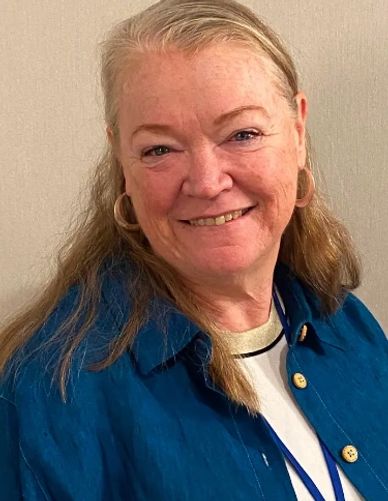
This document is a free summary of the current evidence on assessment, diagnosis and treatment of Childhood Apraxia of Speech (CAS) from the University of Sydney. The two lead authors Donna Thomas and Tricia McCabe are both Friends of Speech Apraxia.
ASHA – Childhood Apraxia of Speech Position Statement
ASHA – Childhood Apraxia of Speech Position Statement
Professional position statement outlining the definition and recognised characteristics of CAS.