
Giving a voice to individuals with apraxia of speech
Meet us

Ruth, Founder of Speech Apraxia International
I am the founder of Speech Apraxia International, a global organisation dedicated to advocacy, information, and support for individuals affected by all forms of speech apraxia, developmental, acquired, and primary progressive. What began as a personal mission has grown into a recognised voice for people with speech apraxia and the professionals who support them.
I was born with childhood apraxia of speech (developmental verbal dyspraxia). When I was two, my parents sought help for my lack of speech, a condition few had even heard of at the time. I spent five years in intensive therapy, three sessions a week with the same speech and language therapist. Those early experiences shaped both my resilience and my lifelong connection to speech and language therapy.
Apraxia is a lifelong neurological speech condition, and I consider myself fortunate to have received early, effective intervention. Yet, I repeatedly saw how little awareness existed, even within the profession itself. That gap drove me to create Speech Apraxia International. We are now a centre of knowledge, advocacy, and community. Our goal is to ensure no family or professional faces apraxia without access to accurate information and expert guidance.
Today, I am proud that Speech Apraxia International sits as a proud member of the Speech, Language and Communication Alliance (SLCA) alongside leading organisations such as Speech and Language UK, the Royal College of Speech and Language Therapists (RCSLT), Afasic, The Communication Trust, I CAN, and the National Association of Head Teachers. Together, we influence policy, promote inclusive communication, and strengthen national awareness of speech and language needs.
Our reach is now global. We work with major international stakeholders, including the New Zealand Speech-language Therapists’ Association, and collaborate with clinicians and researchers across continents to improve understanding of apraxia. Our website, speechapraxia.co.uk, and social media channels attract over 70,000 visits a month, offering free, evidence-based resources. We hold a varied events timetable, have several focused interest groups including our Global Professionals Speech Apraxia groups and parent/carers groups. Behind the scenes, a growing team of specialists responds daily to enquiries from families, professionals, and individuals seeking help.
From a single voice to a shared movement, Speech Apraxia International is proud to stand at the forefront of international collaboration, raising awareness and shaping a better future for everyone affected by speech apraxia.
Friends of Speech Apraxia
We have a fantastic group of volunteers who all share a passion for speech apraxia. They are what makes our organisation a success. Our community includes specialist clinicians, researchers, parents, and people with speech apraxia from as far afield as Australia, Italy, the USA, the UK, and the Netherlands.

Donna Thomas-Friend of Speech Apraxia -Rapid Syllable Transition (ReST) Therapy Expert -Austrailia
Donna is a speech-language pathologist, lecturer, researcher and clinical educator employed by The University of Sydney and is a researcher in Rapid Syllable Transition (ReST) therapy . Donna's research interests are speech pathology treatment for children with CAS and dysarthria, clinical education, and telehealth. Along with a team of international collaborators, Donna is conducting two randomised control trials of DTTC treatment for CAS. Donna is a Fellow of the Higher Education Academy, UK, and a Certified Practicing Speech Pathologist with Speech Pathology Australia. She regularly presents at conferences and workshops both nationally and internationally.

Helen Stringer -Friend of Speech Apraxia—Childhood Apraxia of Speech Expert
Helen is the lead author for the RCSLT Childhood Apraxia of Speech (2024) Postion Paper

Tricia MCcabe- Friend of Speech Apraxia (CAS+ AOS expert)-Australia
Dr Tricia McCabe CPSP is Head of Discipline and Professor of Speech Pathology in the Faculty of Health Sciences at The University of Sydney. She has published 75 peer reviewed journal articles, supervised more than 20 research students, and has had $3.6 million in research grants. Tricia’s research, teaching and clinical practice are all focussed on improving treatments for moderate-severe speech impairments in children and adults. In particular, she wants to improve treatments for children with Childhood Apraxia of Speech and this has resulted in the two Randomised Control Trials comparing different interventions in this population. With a team of colleagues, she has developed the Rapid Syllable Transition Training intervention (ReST), a novel intervention which uses drill practice of non-words to improve the motor planning skills.

Pam Williams -(Friends of Speech Apraxia-Speech and Language Expert, Childhood Apraxia of Speech specialist)-UK
Lecturer and lead author of the Nuffield Dyspraxia Programme (NDP- 3rd edition).
Pam was Consultant SLT and lead clinician for the dyspraxia service at the Nuffield Hearing and Speech Centre, (now known as the Paediatric Speech Clinic at UCLH), for many years. She was involved in the creation of the original Nuffield Dyspraxia Programme, and is first author of the current 3rd edition www.ndp3.org. Pam has lectured widely in the UK, Ireland, Europe and Australia. She continues to run training workshops on the subject of NDP3 and Childhood apraxia of speech (CAS).
Pam was a member of the Royal College of Speech & Language Therapists’ project team that produced the (2011) Policy Statement on Developmental Verbal Dyspraxia and more recently the (2024) Position Paper on Childhood Apraxia of Speech

Chelsea Hulse- Friends of Speech Apraxia Parent Champion-UK
Hi everyone! I’m Chelsea, a nurse & mother to two boys, Logan & Lucas. Lucas has a diagnosis of Childhood Apraxia of Speech & Developmental Co-ordination Disorder. Our journey has helped to lay the foundations for my growing interest in CAS & communication as a whole I am so excited to become a Parent Champion with Speech Apraxia UK, & see what this community can achieve! My hope is that no one with CAS feels alone or disadvantaged by their diagnosis.

Jon Hunt (Friends of Speech Apraxia-Speech and Language Therapist, Acquired Apraxia of Speech specialist)-UK
Jon is a UK-based speech and language therapist specialising in acquired aphasia and apraxia of speech. He worked in the National Health Service for 20 years before beginning work on Cuespeak, an app for iPad that allows people with aphasia and apraxia of speech to carry out intensive, personalised therapy independently. Jon's special interests are the role of context in word production difficulties and the benefits of personalised therapy.

Hazel Shaw,(Specialist Independent Speech and Language Therapist)- Friends of Speech Childhood Apraxia of Speech Expert-UK
Ruth invited me to become a Friend of Speech Apraxia UK and I am always eager to support any initiative that raises awareness and understanding of CAS, as well as improves access to essential specialist services. CAS is a highly specialised area and many Speech and Language Therapists have limited experience in working with it. I am passionate about sharing my knowledge and experience with others to help ensure the best possible outcomes for the children we support.

Angela Morgan (Friend of Speech Apraxia Speech Pathologist- Speech and Genetics Expert- Australia
Professor Angela Morgan is a national Health and Medical Research Council (NHMRC) Dame Elizabeth Blackburn Fellow at the Murdoch Children’s Research Institute (MCRI). Angela is also a Dame Kate Campbell Professorial Fellow of the University of Melbourne. Angela is Director of the NHMRC Centre of Research Excellence – Translational Centre for Speech Disorders which builds on the previous NHMRC CRE in Speech and Language which she also led. In addition, she leads the Speech and Language group at MCRI. Angela has over 26 years of clinical-research experience across Australia and the United Kingdom (University College London Institute of Child Health and Great Ormond Street Hospital).
Angela’s current research program focuses on: (i) identification of new gene pathways leading to child speech and language disorders, (ii) conducting genotype-speech phenotype studies for rare genetic syndromes leading to more targeted therapies, and (iii) elucidating the neurobiology of speech and language disorders using quantitative brain imaging techniques. In recent years, Angela and team have demonstrated the relevance of genetic causes for speech disorders by identifying over 30 genes number of novel genes not previously associated with severe speech disorder.

Avarind Namasivayam-Speech and Language Pathologist, researcher)- Friends of Speech Childhood Apraxia of Speech Expert-Canada
Dr. Aravind Namasivayam is an internationally recognized expert in speech motor control andpediatric speech disorders. He holds a clinical degree in Speech-Language Pathology, withadvanced specialization in Neuroscience at the doctoral and post-doctoral levels. Dr.Namasivayam has led several government- and industry-funded randomized clinical trials,driven policy changes and shaping evidence-based care pathways for children. He has authored53 peer-reviewed articles and book chapters and delivered over 80 presentations and workshopsat international conferences. He has received numerous prestigious awards, including recognitionfrom the American Speech-Language-Hearing Association (ASHA), the Stuttering Foundation ofAmerica (SFA), Apraxia Kids, and the National Award for Excellence in Applied Research fromSpeech-Language and Audiology Canada (SAC). Dr. Namasivayam teaches speech physiology,research methods, and pediatric speech sound disorders at the University of Toronto. In 2018, hefounded the Speech Research Centre Inc., dedicated to making evidence-informed practicesaccessible to clinicians worldwide. He is also the co-founder of Hear2Speak.org, a non-profitorganization committed to improving speech-language pathology and audiology services inunderserved regions globally.

Olga Kamadina-(Speech Pathologist)- Friends of Speech Childhood Apraxia of Speech Expert—Australia
I’m Olga Komadina, a Speech Pathologist in Australia with over 20 years of experience, specialising in Childhood Apraxia of Speech (CAS), as well as autism. I run Olga Komadina Apraxia Therapy and provide intensive therapy, supervision, and mentoring for speech pathologists worldwide. I became a Friend of Speech Apraxia to support greater awareness and collaboration internationally, and to advocate for children with CAS and their families so they can access the therapy and recognition they deserve.

Lorraine Bamblett -(Specialist Independent Speech and Language Therapist)- Friends of Speech Childhood Apraxia of Speech Expert-UK
Lorraine is a lecturer in speech and language therapy at Keele University. She specialises in phonetics and speech sound disorders. She has had a special interest in CAS since working with children with developmental language disorder and severe speech sound disorder including CAS in a speech and language centre for 15 years. She is passionate about evidence based practice and supporting SLTs to give children with CAS the best possible outcomes.
Meet us
Julia Chauvet (Friends of Speech Apraxia-Research specialist)- The Netherlands
Julia Chauvet (Friends of Speech Apraxia-Research specialist)- The Netherlands
Julia Chauvet (Friends of Speech Apraxia-Research specialist)- The Netherlands

Julia Chauvet from the Max Planck Institute for Psycholinguistics researches motor speech planning.
Lottie Berry- Friends of Speech Apraxia Parent Champion-UK
Julia Chauvet (Friends of Speech Apraxia-Research specialist)- The Netherlands
Julia Chauvet (Friends of Speech Apraxia-Research specialist)- The Netherlands
Lottie Berry is the Founder of Tap Type Talk, an autism, apraxia, and AAC advocacy and advisory platform.As a Mum to an autistic non-speaking son who has Suspected Childhood Apraxia of Speech, Lottie is passionate about supporting parents who are following a similar journey. She believes that every non-speaking child deserves a voice of their own through AAC, specialist speech support, and literacy instruction.
Pam Slater (Friends of Speech Apraxia - Parent Ambassador)-UK
Julia Chauvet (Friends of Speech Apraxia-Research specialist)- The Netherlands
Pam Slater (Friends of Speech Apraxia - Parent Ambassador)-UK
Pam is a parent of two children, one who has speech apraxia linked with the FOXP2 gene. For many years she has raised awareness of the genetic causes of speech apraxia and is well known for her tireless work. Pam is a trustee of the charity Mikey's Whish Foundation.
Lucy Smith (Friend of Speech Apraxia)-UK
Rosemary Varley (Friends of Speech Apraxia -Acquired Apraxia of Speech Specialist)-UK
Pam Slater (Friends of Speech Apraxia - Parent Ambassador)-UK
I am Lucy. I have just finished my Master of Speech and Language Sciences Student at Newcastle University. I chose to become a Friend of Speech Apraxia UK because I have a strong interest in both childhood and acquired apraxia of speech. These are conditions that are often misunderstood or overlooked. I'm eager to learn more, hear lived experiences from individuals and families, speech and language therapists and researchers. I'm also interested in the latest research and therapy approaches to help improve understanding and support for those who live with apraxia
Rosemary Varley (Friends of Speech Apraxia -Acquired Apraxia of Speech Specialist)-UK
Rosemary Varley (Friends of Speech Apraxia -Acquired Apraxia of Speech Specialist)-UK
Rosemary Varley (Friends of Speech Apraxia -Acquired Apraxia of Speech Specialist)-UK
Rosemary Varley is Professor in Language and Cognition at University College London. She works in the field of speech and language ability following a stroke. She has designed and tested digital interventions for apraxia of speech and aphasia. She has published research articles in major international journals such as Nature Reviews Neuroscience, Proceedings of the National Academy of Sciences of USA, and Current Biology, as well as journals focused on speech and language therapy (e.g., Aphasiology). Her research has been funded by Government research councils, and charities such as the UK Stroke Association and Leverhulme Trust.
Georgia Leckie (Friends of Speech Apraxia -Parent Champion)-UK
Rosemary Varley (Friends of Speech Apraxia -Acquired Apraxia of Speech Specialist)-UK
Rosemary Varley (Friends of Speech Apraxia -Acquired Apraxia of Speech Specialist)-UK
Georgia is a parent of a child with CAS and a passionate advocate for awareness and service provision.
Georgia is a trustee of the charity Mikey's Whish Foundation.
Mac Mackay (Friends of Speech Apraxia) Researcher, lived experience.
Liz Bedson (Friends of Speech Apraxia, AOS and Aphasia Charity Founder) -UK
Liz Bedson (Friends of Speech Apraxia, AOS and Aphasia Charity Founder) -UK
Mac grew up with childhood apraxia of speech which ignited a passion in him to spread knowledge in motor speech and in particular speech apraxia.
Liz Bedson (Friends of Speech Apraxia, AOS and Aphasia Charity Founder) -UK
Liz Bedson (Friends of Speech Apraxia, AOS and Aphasia Charity Founder) -UK
Liz Bedson (Friends of Speech Apraxia, AOS and Aphasia Charity Founder) -UK
Liz Bedsonn and Arthur Harding run the Stroke Survivors Speech & Language Support Group. Liz says "I started in 2016 when my dad survived a stroke. His speech, language and communication was affected along with his emotions. There was no support that benefitted him as he wasn’t included or talked over and ignored. Not what I expected at all. I am an ordinary person with no medical or professional qualifications but who just wanted to support my dad and others like him to access and live in his community in a positive way. So the journey started!
Roll forward to today, we are now a charity, now respected by the stroke association with the support we provide for our groups which are all thriving. We have 5 face to face groups in Cheshire East and a virtual online group. We plan to open a new group every year as what we provide empowers survivors to recover, reclaim and rebuild their lives. We work alongside the NHS Community S & L therapists who at the beginning disliked me. Everything is based around aphasia but my eyes have now been opened by apraxia and tbh I’d never heard of it! Ruth approached me and well the rest is what you already know by this lovely lady. We are now collaborating and Ruth will come and provide training to our volunteers on how to support our Survivors with apraxia. Many of our survivors have apraxia as well as aphasia. I will be taking it up with our S & L therapists too. I will also be spreading the word to everyone I am currently in contact with including the stroke association. The lack of awareness is shocking so we need to push awareness".
Kendra Frank (Friends of Speech Apraxia, Non-Profit Founder) -UK
Liz Bedson (Friends of Speech Apraxia, AOS and Aphasia Charity Founder) -UK
Kendra and Elliot set up 'Elliot's Voice' She is a fantastic asset to out team with her zest for giving everyone a voice.
Allona Bondar (Speech and Language Pathologist) CAS expert, Friend of Speech Apraxia

Alonna has recorded a podcast with us and is a great asset to Speech Apraxia UK from the USA. Alonna is PROMPT certified and DTTC trained, and listed on the Apraxia Kids directory. She is a pediatric speech language pathologist with over 25 years of experience specializing in apraxia and other speech sound disorders.
Saray Causey-Freeman (Parent Champion) CAS expert, Friend of Speech Apraxia
I’m Sarah, a parent of a child with Childhood Apraxia of Speech. My family’s journey has driven my passion for raising awareness of this rare and often misunderstood speech disorder. I became a Friend of Speech Apraxia UK to advocate for the specialist, long‑term therapy that children with apraxia urgently need. I’m committed to improving understanding, ensuring families feel supported, and promoting access to the right interventions so every child with apraxia can reach their full communication potential
Heather, (Hetty) Clark- Friend of Speech Apraxia (CAS, AOS, PPAOS expert)-USA
Dr. Hetty Clark is Professor of Speech Pathology at the Mayo Clinic in Rochester, Minnesota. She is board-certified by the Academy of Neurologic Communication Disorders and Sciences and is a Fellow of the American Speech-Language-Hearing Association. Her clinical work includes differential diagnosis of motor speech disorders in children and adults. She and her fellow speech-language pathologists team with specialists in neurology, genetics, otolaryngology, developmental and behavioral pediatrics to assess and treat children with childhood apraxia of speech. She has particular expertise in the treatment of severe CAS using Dynamic Temporal and Tactile Cueing, a therapy approach developed at the Mayo Clinic. Her work with apraxia of speech extends across the lifespan and includes differential diagnosis of apraxia of speech in neurodegenerative conditions. Her clinical and research teams include specialists from behavioral neurology, movement disorders, neuropsychology, neuroimaging, physiatry, and palliative care.
Country Representatives/Friends of Speech Apraxia
India Country Representative Shabana Tariq SLP

Shabana Tariq is a Speech and Language Therapist with over 25 years of experience, specialising in Childhood Apraxia of Speech (CAS) and broader speech, language and communication needs. She is trained in AAC, Gestalt Language Processing (GLP) and TalkTools®️, and uses evidence-based approaches such as DTTC and Nuffields in her clinical practice. She is developing innovative AAC and apraxia-focused apps, and is a published researcher and international speaker, presenting at national and international conferences.
Meeting Shabana Tariq in Delhi
Fantastic to meet Shabana Tariq in New Delhi India and discus future plans for our organisation!
USA representative Claire Ostrander
USA representative Claire Ostrander
Please welcome Claire Ostrander, Speech Apraxia International’s newest United States Ambassador! Ms. Ostrander is the founder of the Non-Profit Organization “No Child Should Have to Wait”, a movement dedicated to closing the gap between Autism and Apraxia diagnoses. Her non-profit work was inspired by her son Levi’s journey. Levi was diagnosed with Autism at the age of two. Following his Autism diagnosis, he and Ms. Ostrander spent over three years in generalized Autism speech therapy. With no quantifiable improvement in her son’s ability to speak, Claire gave each practice 6 months before removing her son from his current practice and starting somewhere new. It was not until three years later at practice number four that an SLP even mentioned the word “Apraxia.”
Immediately, Ms. Ostrander started her son in Prompt Therapy three times a week to specifically treat his speech motor planning disorder. Ms. Ostrander currently drives 216 miles a week to see the closest SLP certified in Prompt Therapy, DTTC, and a wide variety of other speech motor planning therapies.
When Levi began Prompt Therapy services, he had 3 words. After just six months of Prompt Therapy, Levi has mastered over 50 words and that number continues to grow. Levi is now thriving in motor planning speech therapy and would not be where he is today had Ms. Ostrander kept him in any of the previous practices that did not treat motor planning disorders.
Ms. Ostrander received her B.A. in English from Kennesaw State University in 2008 and has over 10 years’ experience as a Technical Writer for the Wire and Cable Communications indust
ry. After her first son, Luke, was born in 2013, she stayed home with him, and in her free time began to explore her deeper passion for creative writing. In November of 2024, Ms. Ostrander published her first memoir, “Sweet Daughter of Eve.” Since then, she has plans for her second book, which will tell the story of Levi’s journey and focus on significantly increasing awareness of Childhood Apraxia of Speech (CAS), especially in the United States.
Ms. Ostrander lives in Pittsburgh with her oldest son Luke (age 13), Levi (age 5), and her beloved husband Nathan, whom she recently celebrated her 16-year wedding anniversary with. Nathan is a Level Four Asset Management Electrical Engineer for Duquesne Light Company.
Subject Advisory Specialists
Ruth Williams (UK) AAC Consultant
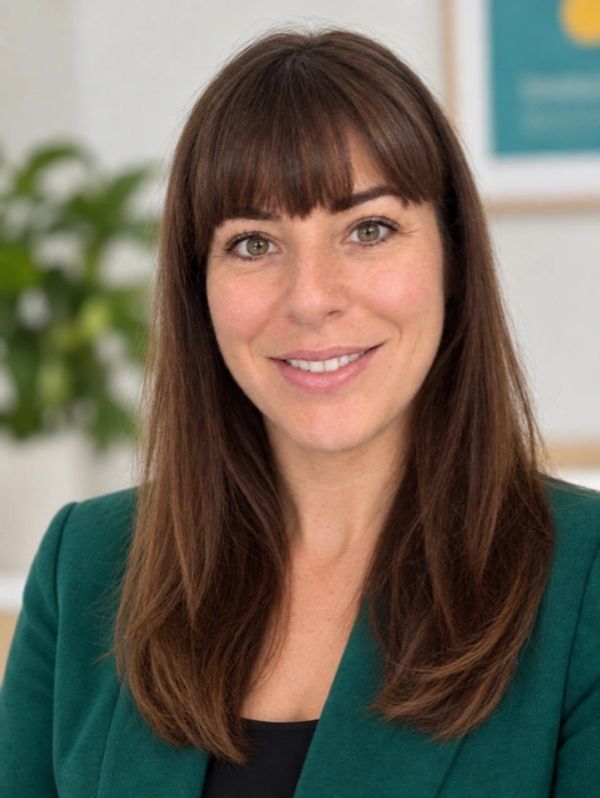
Ruth Williams is a Consultant Speech and Language Therapist and AAC (Augmentative and Alternative Communication) specialist with 15 years’ experience supporting children and adults with complex communication needs. Her experience spans the NHS, not-for-profit organisations, educational settings and independent practice, including working within two NHS specialist AAC hubs.
Ruth is co-chair of the AAC SIG (Special Interest Group) and a member of the board of directors for Blissymbolics Communication International (BCI).
Ruth is the founder of Connect with AAC Ltd, providing independent AAC assessment and therapy, alongside practical AAC resources. She is passionate about making AAC practical, accessible and better understood by all.
Peggy Ernest (USA) CAS, Additional Needs and Down Syndrome Consultant
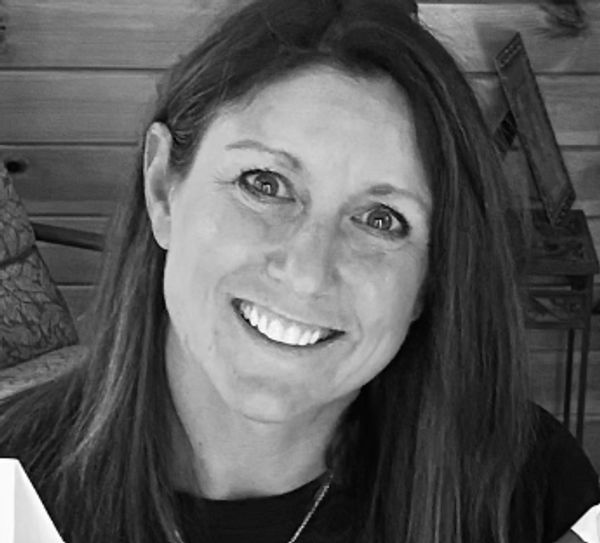
Peggy has an MS from Bloomsburg University and a PhD from the University of CT. She has over 25 years of experience in improving the speech and communication skills of nonverbal, minimally verbal and highly unintelligible pediatric patients. She believes that speech and language therapy plans should be highly individualized and that her job is to treat the whole child. Family involvement and collaboration are of the utmost importance to a child’s progress in therapy.
Peggy has a specialty in treating motor speech disorders, which include dysarthria of speech, childhood apraxia of speech and motor speech delays. She also has a special interest in treating speech sound disorders using various techniques, including ultrasound biofeedback.

Speech Apraxia International welcomes contributions and col
Disclaimer
While we strive to provide accurate and up-to-date information on this website (www.speechapraxia.co.uk), the content is not intended to replace professional medical advice, diagnosis, or treatment.
All data is processed in accordance with our GDPR Data Protection Policy.